
Retail
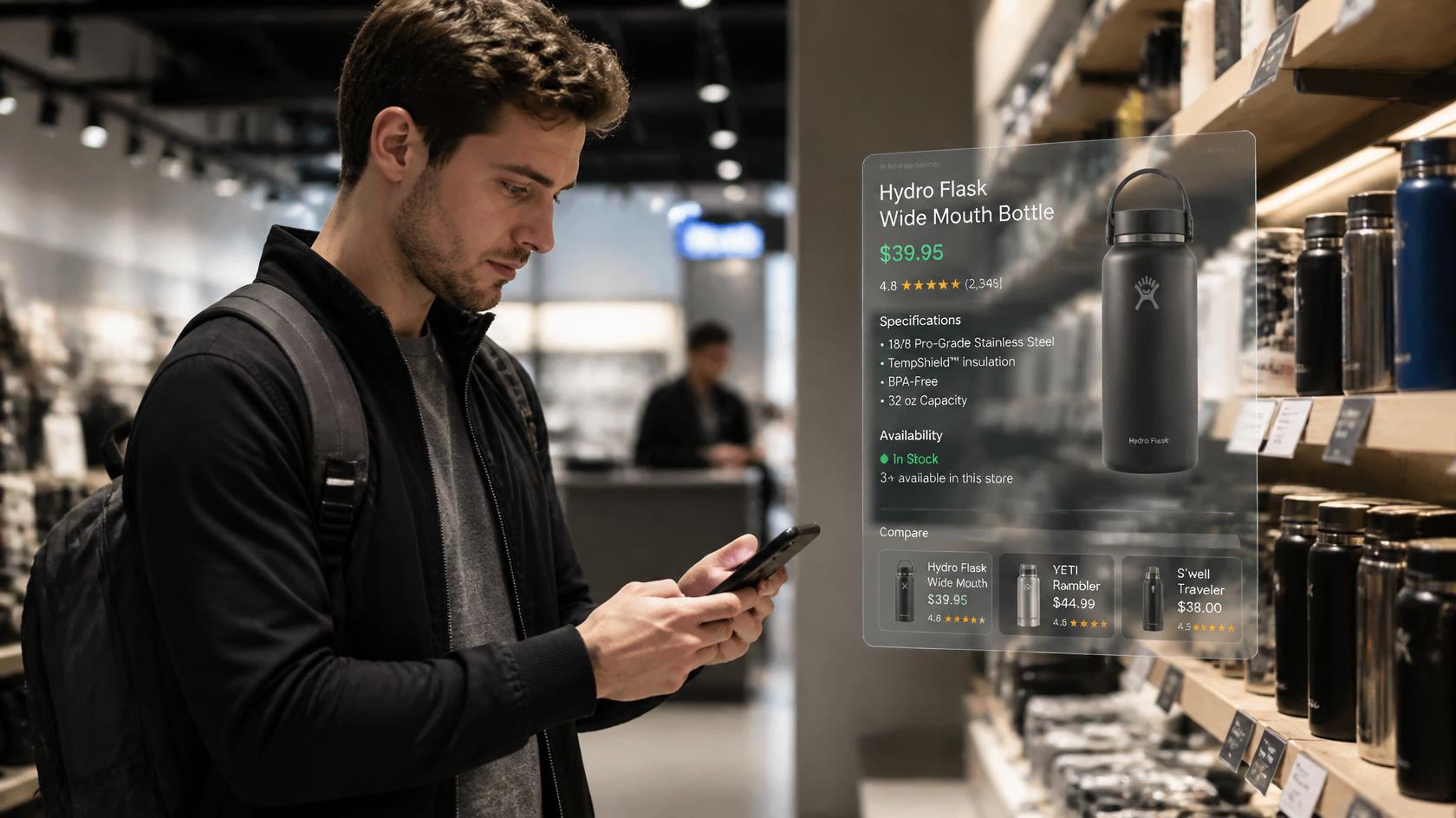
Image courtesy: Canva AI


Retailers have traditionally designed digital commerce experiences around human behavior. Product pages, search filters, personalized recommendations, and checkout interfaces help customers navigate purchasing decisions.
AI shopping agents introduce a different dynamic. These systems can interpret customer preferences, compare products, evaluate prices, and, where authorized, facilitate purchases with varying degrees of human involvement.
For retailers, this creates a new set of expectations. Product information must be accessible, inventory records must be dependable, and purchasing conditions must remain consistent across channels.
The evolution of unified commerce could therefore become increasingly important as shopping journeys extend beyond conventional websites, applications, and physical stores.
When the Shopper Is an Algorithm
Traditional e-commerce relies heavily on visual presentation, promotional messaging, and website navigation to influence purchasing decisions.
AI shopping agents may evaluate products differently. Their recommendations can depend on structured product information, availability, pricing, delivery timelines, return policies, and individual customer requirements.
Incomplete product specifications or inconsistent pricing could consequently affect how accurately an agent evaluates an offering. Retailers must consider how their products are understood by automated systems alongside how they are presented to human shoppers.
Brand storytelling and visual merchandising remain valuable, but machine-readable product information introduces another dimension to retail competitiveness.
Unified Commerce Must Extend Beyond Traditional Channels
Unified commerce connects inventory, transactions, customer information, and fulfillment operations through an integrated commerce environment.
Historically, its purpose has centered on creating consistent experiences across physical stores, websites, and mobile applications. AI-mediated shopping introduces another potential interaction point that retailers need to accommodate.
Several operational questions emerge:
- Can shopping agents access accurate product availability across locations
- Do pricing and promotional conditions remain consistent with the applicable sales channel
- Can fulfillment systems provide realistic delivery commitments
- Are product specifications and purchasing policies accessible in structured formats
Addressing these questions requires coordination between commerce platforms, inventory systems, product information management tools, and external services. The quality of those connections may influence whether automated shopping experiences remain reliable from product discovery through fulfillment.
The Emerging Battle for Customer Relationships
AI shopping agents could change how customers discover and interact with retailers. When consumers delegate product research to an automated assistant, they may spend less time browsing individual retail websites. Purchasing recommendations could increasingly depend on how effectively an offering satisfies specific requirements.
For retailers, this raises concerns about customer acquisition, brand differentiation, and access to customer insights. Personalization strategies may also need to evolve. Retailers must consider how customer preferences can inform shopping experiences while respecting consent, privacy, and data-sharing restrictions.
A well-integrated unified commerce environment can support continuity across these interactions, helping retailers maintain consistent service even when product discovery occurs outside their own platforms.
Transaction Readiness Becomes a Strategic Priority
Supporting AI-mediated purchases involves considerations beyond product discovery. Retailers need appropriate mechanisms for verifying customer authorization, confirming transaction details, processing payments, and managing cancellations or returns.
Promotional eligibility, loyalty benefits, delivery restrictions, and regional pricing rules must also remain accurate throughout the purchasing process. These requirements make commerce infrastructure particularly important. Fragmented systems can introduce discrepancies between what an agent communicates and what a retailer can actually fulfill.
Retailers should therefore evaluate their readiness across the entire transaction lifecycle, including post-purchase support.
ALSO READ: Sustainable Supply Networks and the Scope 3 Emissions Challenge
Preparing for Commerce Beyond the Storefront
The emergence of AI shopping agents invites retailers to reconsider how they define a commerce channel. Future purchasing journeys may involve combinations of human browsing, automated product research, conversational recommendations, and agent-assisted transactions.
Businesses need infrastructure capable of supporting these interactions without compromising transaction accuracy, customer control, or service quality. The strategic value of unified commerce will increasingly depend on how effectively retailers make their operations accessible, interoperable, and dependable across emerging shopping environments.
As AI becomes more involved in purchasing decisions, retailers will need to compete through the quality of their products, the reliability of their information, and their ability to fulfill commitments regardless of where the shopping journey begins.
