
Sustainability
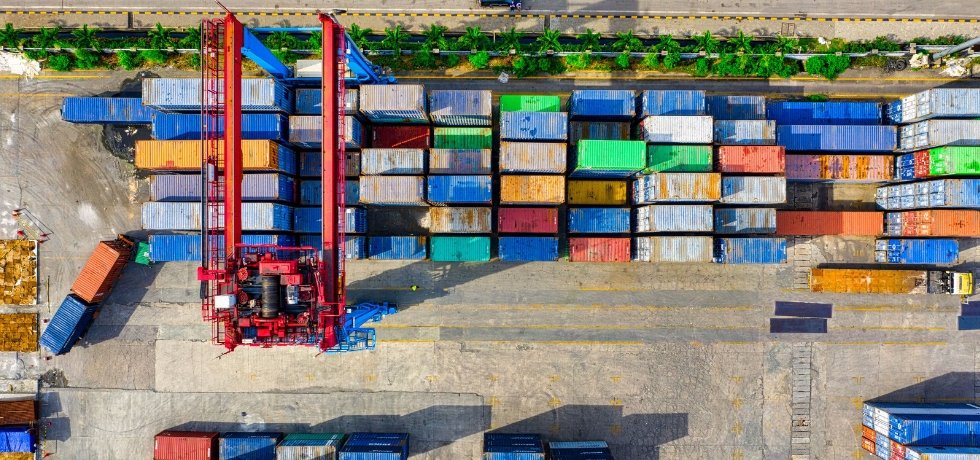
Image Courtesy: Pexels


Corporate emissions targets are increasingly extending beyond factories, offices, and company-owned vehicles. Businesses are examining the environmental impact of purchased materials, transportation, product use, and other activities across their value chains. Yet much of this environmental footprint remains outside their direct operational control.
A manufacturer can improve energy efficiency within its facilities while continuing to purchase materials produced through carbon-intensive processes. Similarly, a retailer may reduce emissions from its warehouses without addressing the environmental impact of its suppliers.
For organizations developing sustainable supply networks, Scope 3 emissions present a difficult challenge: measuring and reducing emissions generated through activities they influence but do not directly manage.
The Emissions That Corporate Reporting Cannot Easily Capture
The Greenhouse Gas Protocol classifies Scope 3 emissions as indirect emissions occurring across an organization’s value chain, excluding those covered under Scope 2. These can include purchased goods, transportation, business travel, product use, and end-of-life treatment.
Unlike direct operational emissions, Scope 3 calculations often depend on information from suppliers, logistics partners, and other external organizations. Obtaining reliable information becomes complicated when businesses work with multiple supplier tiers across different regions.
Some suppliers maintain detailed emissions inventories, while others lack the resources or systems to collect consistent environmental data. Consequently, companies may rely on industry averages, purchasing-based estimates, or other secondary information to calculate portions of their emissions footprint.
Such estimates can support initial assessments, but their limitations matter when organizations attempt to demonstrate actual reductions.
Sustainable Supply Networks Face a Measurement Dilemma
Improved emissions reporting can create the appearance of progress even when the underlying environmental impact remains unchanged.
Consider a company that replaces broad industry estimates with more accurate supplier-specific data. Its reported Scope 3 emissions may increase or decrease because the calculation has improved, regardless of whether suppliers have changed their production processes.
This distinction matters because emissions inventories serve two different purposes: identifying environmental exposure and evaluating the results of reduction initiatives.
When measurement methods change, businesses need to explain those changes before interpreting reported emissions trends as evidence of operational improvement. Reliable baselines, consistent methodologies, and transparent assumptions help organizations distinguish genuine decarbonization from changes in accounting.
The Supplier Relationship Behind Every Emissions Target
Once organizations identify emissions-intensive activities, the next challenge involves influencing decisions beyond their immediate operations. Procurement teams may request supplier emissions disclosures, encourage lower-carbon materials, or introduce environmental criteria into sourcing decisions. However, suppliers operate within their own financial, technological, and contractual constraints.
A supplier may understand the benefits of cleaner production but lack access to affordable renewable energy or the capital required to modernize equipment. Simply demanding lower emissions can therefore achieve limited results.
Longer-term purchasing commitments, shared technical expertise, collaborative planning, and appropriate commercial incentives may help suppliers pursue feasible improvements. The effectiveness of these arrangements depends on whether environmental expectations are reflected in purchasing decisions rather than confined to sustainability reporting.
When Better Data Finally Changes Business Decisions
Emissions information becomes more useful when organizations connect it to sourcing, product design, and logistics decisions. For example, procurement teams can evaluate the emissions implications of different materials alongside cost, quality, and availability.
Product development teams can examine whether design changes reduce material requirements or improve product longevity. Logistics planners can assess transportation choices while considering delivery commitments and operational constraints.
These decisions involve trade-offs, and lower-emission alternatives may not always be immediately available or commercially viable.
Nevertheless, integrating emissions considerations into routine business processes creates opportunities for measurable improvements. The goal is to ensure that environmental data informs decisions throughout the supply network.
The Next Test Is Reduction, Not Disclosure
Reporting frameworks can help businesses organize emissions information, identify significant sources, and communicate environmental performance.
The GHG Protocol Scope 3 Standard, for example, provides a framework for accounting for value chain emissions. However, disclosure alone cannot establish that an organization is reducing its environmental footprint.
Businesses also need to examine whether supplier initiatives, procurement changes, and operational improvements are producing credible emissions reductions. Progress requires consistent measurement, supplier engagement, and continued evaluation of environmental outcomes.
ALSO READ: Can Nature Positive Strategy Deliver Without Reliable Biodiversity Data?
Final Note
The Scope 3 challenge highlights how closely corporate sustainability performance depends on decisions made throughout the value chain. Building sustainable supply networks requires reliable emissions information, but meaningful progress also depends on supplier capabilities, commercial incentives, and coordinated action.
Organizations that connect environmental reporting with procurement and operational decisions can develop a clearer understanding of where reductions are possible. Ultimately, the credibility of supply chain decarbonization will depend on demonstrable changes in emissions, supported by transparent and consistent measurement.
