
- Ishani Mohanty
- 766
-
Banking and Finance
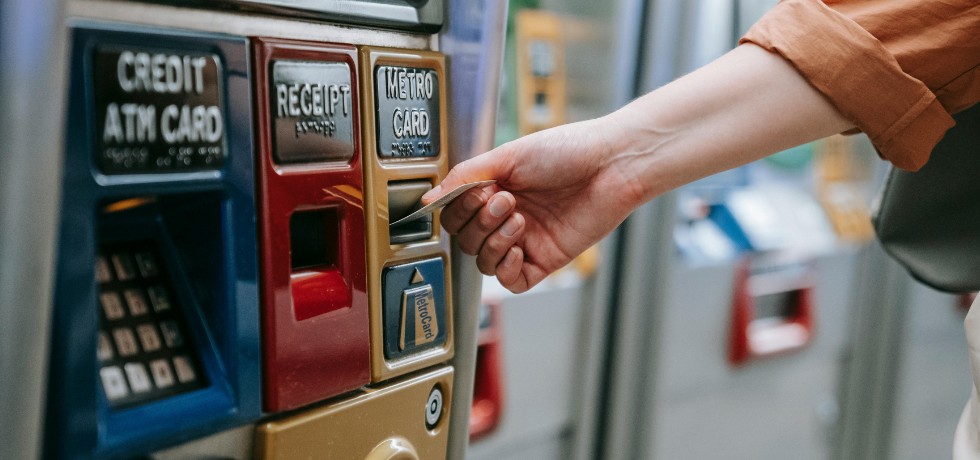


What would happen if you stopped spending money for 30 days?
No impulse purchases. No late-night food orders. No random “treat yourself” moments. Just essentials; rent, utilities, and survival. That’s the challenge I took on, partly out of curiosity and partly because I wanted to reset my relationship with money in a world increasingly shaped by banking digital transformation.
Like many people, I didn’t realize how frictionless spending had become. With UPI, mobile wallets, and one-click checkouts, money flows out faster than we can track. According to insights from the World Bank, digital finance is expanding access, but it’s also making spending almost invisible.
That’s where banking digital transformation becomes a double-edged sword. It empowers us, yes, but it also removes the “pain” of paying.
So, I decided to bring that awareness back.
The experiment was simple:
• No discretionary spending for 30 days
• Essentials only (groceries, bills, transport)
• No subscriptions unless already active
• Track every rupee spent
I used a budgeting app and relied heavily on digital banking tools; ironically, the same tools that had made spending so easy.
The first week was the hardest.
I caught myself opening food delivery apps out of habit. I nearly bought a gadget I didn’t need. That’s when I realized something uncomfortable: most of my spending wasn’t intentional, it was emotional or impulsive.
Digital payments made it worse. No cash leaving my hand meant no real “pause” before spending.
By the second week, things shifted.
I started planning meals, using what I already had, and even enjoying the process. I noticed how often ads and notifications nudged me to spend.
This is where banking digital transformation plays a powerful role. Banks and fintech apps now use data to personalize offers, but that also means they understand your spending triggers better than you do.
With spending off the table, I had to find alternatives:
• Cooking instead of ordering
• Watching free content instead of subscribing
• Walking instead of booking rides
Surprisingly, life didn’t feel restricted, it felt simpler.
I also started appreciating the features in my banking app more. Spending insights, categorization, and alerts helped me stay accountable. It showed me that digital banking isn’t the problem, it’s how we use it.
By the final week, I wasn’t just avoiding spending, I was questioning it.
Do I need this?
Will this add value to my life?
Am I buying out of boredom?
The answers were often “no.”
This experiment helped me align my habits with my priorities. It also made me realize that banking digital transformation can be a powerful ally, if used consciously.
Awareness Is Everything
Most spending happens unconsciously. Tracking changes that.
Convenience Can Be Costly
Digital ease removes friction, but also discipline.
You Don’t Need As Much As You Think
A lot of purchases are driven by habit, not necessity.
Technology Is a Tool, Not a Trap
Use digital banking features to control spending, not enable it.
Not the same way, but I’d do a “low-spend” month again.
In a world driven by banking digital transformation, where money moves faster than ever, taking a step back can be incredibly powerful. It’s not about rejecting technology, it’s about using it with intention.
Because at the end of the day, true wealth isn’t just about how much you earn. It’s about how consciously you spend.
