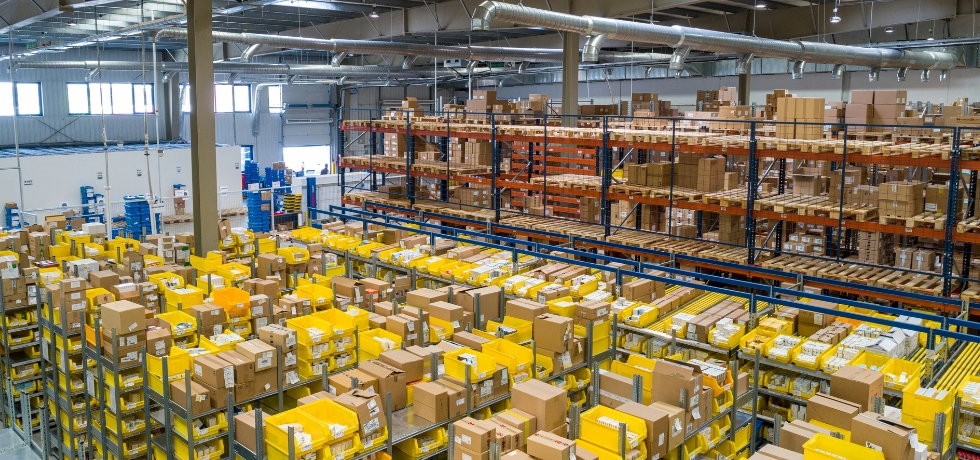


Green technology is becoming a practical lever for supply chain resilience as companies contend with volatile energy availability, material shortages, extreme weather, and fragile logistics networks. Resilience improves when energy systems can adapt, critical inputs have viable alternatives, and physical assets can withstand disruption. Integrating these capabilities into supply chain design helps organizations reduce single points of failure while improving resource efficiency and operational continuity.
Also read: Answering AI’s Power Problem: Green Technology’s Four Most Credible Fixes
Energy Flexibility Is Supply Chain Capacity
Energy exposure reaches far beyond electricity costs. Grid congestion, outages, fuel constraints, heatwaves, and storms can interrupt production just as quickly as a supplier failure.
Onsite renewables, battery storage, microgrids, demand-response systems, and intelligent energy controls can create additional operating flexibility. Production schedules can shift around constrained periods, stored power can protect critical loads, and distributed generation can keep essential processes running during grid instability.
Designing Around Material Scarcity
Supplier diversification does little when multiple suppliers depend on the same scarce material or processing region. Mapping material dependencies down to minerals, components, and processing stages reveals hidden concentration risks.
Recycled feedstocks, alternative materials, regional sourcing, and product redesign can create additional pathways. Engineering teams can model substitution options before shortages emerge, including the performance, cost, qualification, and lead-time implications of each alternative.
Climate Stress Testing At Asset Level
Climate exposure becomes more useful when translated into operational constraints.
Flooding can disable a plant. Heat can reduce equipment performance. Drought can restrict water-intensive production. Wildfires and storms can close transport corridors or interrupt utilities.
Useful engineering inputs include:
- Asset exposure: quantify heat, flood, wildfire, drought, and storm sensitivity
- Network dependencies: identify shared utilities, corridors, ports, and regional suppliers
- Trigger conditions: establish thresholds for sourcing, inventory, or production changes
- Mitigation options: compare storage, efficiency, recycling, and alternative materials
- Scenario testing: model disruptions across facilities, suppliers, routes, and energy assets
Circular Material Flows Under Supply Constraints
Material recovery can strengthen continuity when primary supplies become constrained. Recycling, remanufacturing, component recovery, and product refurbishment can reduce dependence on volatile upstream markets while preserving access to valuable inputs.
Design decisions matter early. Easier disassembly, traceable materials, replaceable components, and recoverable assemblies can improve recovery economics and increase the usable value of products already in circulation.
Connect Sustainability Data With Operations
Resilience improves when environmental and operational data work together. Energy telemetry, supplier exposure, inventory levels, weather intelligence, asset condition, and transportation status can feed a common decision layer.
Digital twins and scenario models can test alternative responses before disruption occurs. Operations teams can evaluate whether shifting production, activating stored energy, changing suppliers, rerouting freight, or increasing buffer inventory offers the strongest recovery path.
The Strongest Networks Preserve Options
Strong supply networks preserve options under pressure. Production can move between qualified sites, energy can be sourced through distributed assets, materials can come from secondary streams, and shipments can use alternate routes.
Green technology supports those options while reducing resource intensity. Resilience therefore becomes less about holding larger buffers and more about building systems capable of adapting when conditions change.
Frequently Asked Questions
Can Green Technology Improve Supply Chain Continuity?
Yes. Energy storage, distributed generation, material recovery, efficiency systems, and flexible operations can reduce exposure to disruptions across utilities, inputs, and production networks.
Which Supply Chain Risks Should Be Prioritized?
Prioritize dependencies with high revenue impact and limited alternatives. Critical facilities, scarce materials, concentrated suppliers, energy-intensive processes, and logistics chokepoints usually deserve early scenario testing.
