
- Samita Nayak
- 220
-
Sustainability
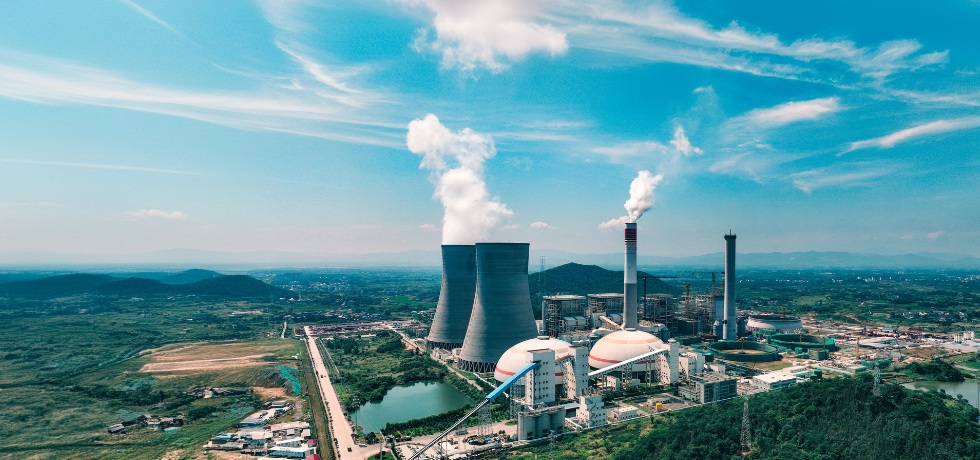
Not long ago, sustainability reports were often viewed as supporting documents—important for compliance but rarely central to business strategy. Today, that mindset has shifted dramatically. Discussions about net zero emissions now influence boardroom decisions, capital investments, supply chain partnerships, and product innovation. Climate commitments have evolved from corporate promises into measurable business objectives.
The driving force behind this change isn’t regulation alone. Investors expect greater transparency, customers increasingly reward environmentally responsible brands, and employees want to work for organizations committed to long-term impact. Companies are realizing that achieving net zero emissions is about far more than reducing carbon footprints—it’s about building resilient businesses that can thrive in a rapidly changing economy.
Every major business transformation begins with a shift in perspective. For leading organizations, sustainability is no longer managed by a single department; it influences nearly every strategic decision.
Consider how climate goals now affect multiple business functions.
Manufacturers are redesigning production processes to reduce energy consumption, improve resource efficiency, and minimize waste. These changes often lower operating costs while reducing emissions.
Investment decisions increasingly include climate-related risks alongside traditional financial metrics. Companies are directing capital toward projects that support both profitability and long-term sustainability.
Supplier selection has expanded beyond cost and quality. Organizations now evaluate partners based on environmental performance, emissions reporting, and shared sustainability commitments.
When sustainability becomes embedded across departments, it stops being an initiative and starts becoming part of how the business operates.
Businesses once competed primarily on price, quality, and speed. Those factors still matter, but they’re no longer enough.
Today’s market increasingly rewards organizations that can demonstrate responsible growth. Customers want transparency. Investors look for long-term resilience. Regulators demand accountability.
The difference is becoming clear:
Companies embracing net zero emissions aren’t simply responding to environmental expectations—they’re positioning themselves for long-term competitiveness.
Climate strategies would be nearly impossible to execute without modern technology.
AI, cloud computing, IoT sensors, and advanced analytics are giving organizations unprecedented visibility into their environmental performance. Instead of estimating emissions once a year, businesses can monitor energy consumption, logistics, manufacturing processes, and supplier activity continuously.
This level of insight enables leaders to answer critical questions such as:
Better data leads to better decisions, making technology one of the strongest accelerators of net zero emissions initiatives.
While many companies have announced ambitious climate goals, execution remains the greatest challenge.
Some organizations focus heavily on public commitments but invest too little in the operational changes needed to achieve them. Others collect sustainability data from disconnected systems, making progress difficult to measure accurately.
Common obstacles include:
Recognizing these challenges is the first step toward building a sustainability strategy that produces measurable business outcomes rather than symbolic achievements.
One of the most significant shifts happening today is that companies are no longer viewing sustainability solely through the lens of emissions.
Organizations pursuing net zero emissions often discover broader business benefits along the way, including:
In other words, climate action frequently becomes a catalyst for enterprise-wide transformation.
ALSO READ: Building a Data Infrastructure That Makes ESG Reporting a Competitive Asset
The conversation around net zero emissions has matured. It’s no longer about whether organizations should pursue sustainability—it’s about how effectively they can integrate it into their business strategy.
The companies likely to lead the next decade won’t be those with the boldest climate pledges. They’ll be the ones that combine technology, operational excellence, data-driven decision-making, and continuous innovation to turn sustainability into a competitive advantage.
As markets, regulations, and stakeholder expectations continue to evolve, net zero will increasingly serve as a measure of business resilience, strategic foresight, and long-term leadership—not simply environmental responsibility.


