
- Jijo George
- 399
-
Sustainability
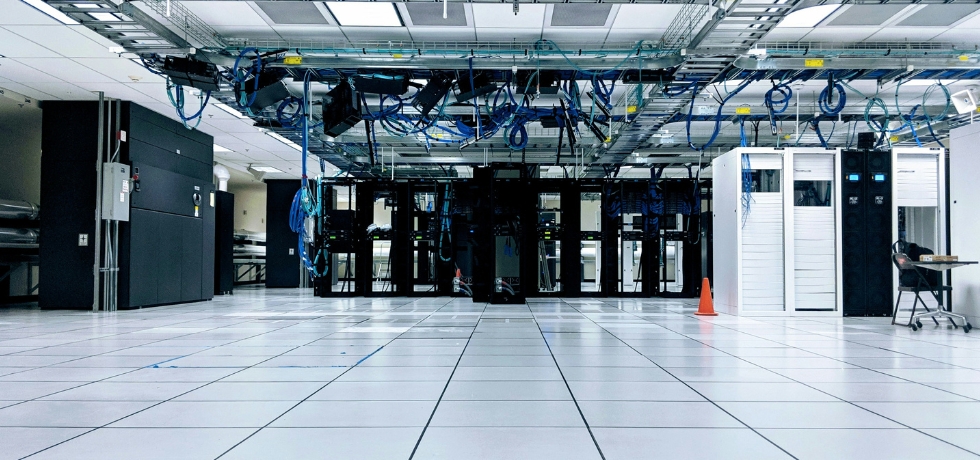


Enterprise AI is changing the economics of data center operations. GPU clusters, large-scale inference, and high-density compute are pushing power and cooling systems beyond the assumptions of traditional infrastructure design. At the same time, organizations remain committed to ambitious sustainability targets.
Achieving net zero emissions now requires a different operating model, one that combines energy-aware infrastructure, carbon intelligent scheduling, and continuous operational telemetry. Instead of treating sustainability as a reporting exercise, leading enterprises are embedding it directly into data center architecture and workload orchestration.
Also read: Carbon Footprint Calculation for AI Data Centers: Measuring the Cost of Enterprise AI
AI workloads differ fundamentally from conventional enterprise applications. Training jobs can run for days, inference traffic fluctuates rapidly, and modern GPU racks consume significantly more power than previous server generations. Cooling has become equally critical, with many facilities adopting direct to chip liquid cooling to manage thermal loads that conventional air cooling cannot efficiently dissipate. Recent AI infrastructure deployments are also accelerating the adoption of modular power architectures designed for higher rack densities and improved energy efficiency.
The International Energy Agency projects that AI will remain one of the primary drivers of electricity demand growth from data centers, making infrastructure efficiency a strategic priority alongside compute performance.
Renewable electricity remains an important part of enterprise sustainability, but it addresses only one dimension of the challenge. Infrastructure efficiency increasingly determines whether AI growth translates into higher emissions.
Modern data centers are combining operational telemetry from servers, cooling equipment, power distribution units, and building management systems to optimize energy consumption in real time. Instead of relying on periodic efficiency reviews, AI models continuously identify idle compute resources, rebalance workloads, and improve hardware utilization while maintaining application performance.
Reducing emissions requires coordinated improvements across the entire infrastructure stack.
Key technologies include:
The objective is straightforward: extract more compute from existing infrastructure before adding new capacity.
Enterprise infrastructure is increasingly designed to respond to grid conditions instead of operating as a fixed electrical load.
Emerging architectures integrate electricity pricing, renewable energy availability, battery storage, and workload scheduling into a unified control plane. This allows noncritical AI jobs to shift toward periods of lower grid carbon intensity while maintaining service level objectives. Power flexible AI clusters can support grid stability through software-controlled workload orchestration rather than dedicated hardware changes.
No.
Advanced cooling significantly improves thermal efficiency, but it cannot offset inefficient workload placement, underutilized GPUs, or fragmented energy management. Sustainable AI infrastructure depends on combining efficient cooling with carbon aware scheduling, granular power monitoring, and intelligent resource allocation. These capabilities work together to reduce operational emissions while preserving performance.
The next generation of enterprise data centers will compete on how efficiently they transform electricity into AI outcomes. Organizations that combine intelligent workload orchestration, advanced cooling, real time power telemetry, and carbon aware operations will be better positioned to scale AI while progressing toward net zero emissions. The competitive advantage will belong to infrastructure that continuously adapts to both computational demand and energy availability.
